South Lambeth Road bulky rubbish collection options
If you are staring at a broken sofa, a stack of old cupboards, or a battered mattress that has become one job too many, you are probably weighing up South Lambeth Road bulky rubbish collection options and wondering what is actually the easiest route. Fair question. Bulky waste has a habit of sitting in the hallway or front room for days, getting in the way, collecting dust, and quietly becoming more annoying than it should be.
In a place like South Lambeth Road, where properties range from compact flats to busy commercial premises, the right collection method depends on access, speed, item type, and how much lifting you want to do yourself. This guide walks through the main choices, explains how the process usually works, and helps you avoid the common mistakes that turn a simple clear-out into an awkward mess. You will also find a checklist, a comparison table, and a realistic example so you can make a sensible decision without overthinking it. Let's face it, nobody wants to spend half a Saturday arguing with a wardrobe.
Why South Lambeth Road bulky rubbish collection options Matters
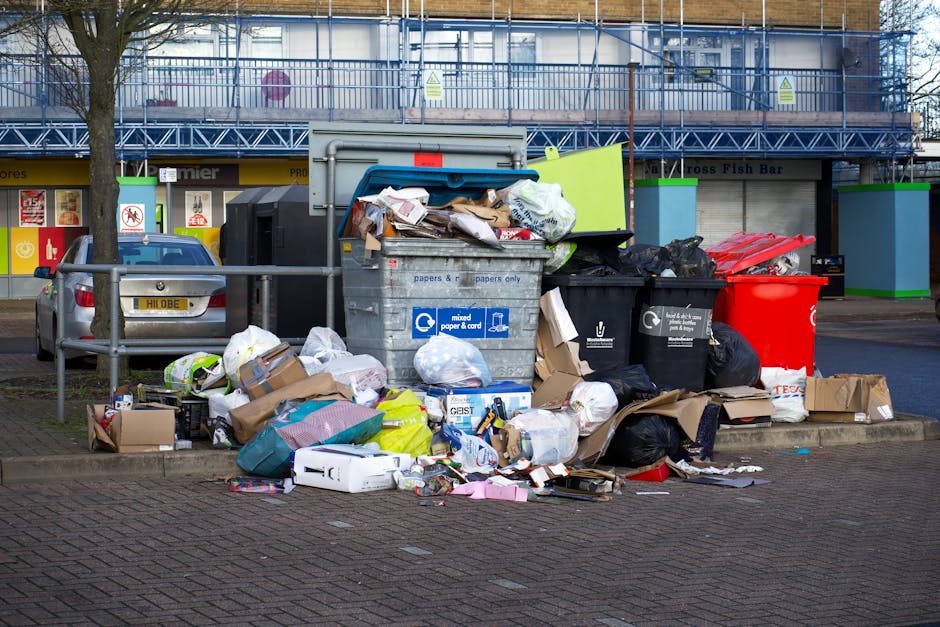
Bulky rubbish is not the same as everyday household waste. A single armchair, fridge, wardrobe, or pile of renovation offcuts can be awkward to move, difficult to sort, and impossible to leave out with normal bin collections. On South Lambeth Road, where space is often tight and access can be busy, choosing the right bulky rubbish collection option can save time, reduce stress, and prevent avoidable damage to walls, stairwells, and door frames.
There is also a practical side that people sometimes miss. The longer bulky waste sits around, the more likely it is to become a safety issue. Trip hazards, blocked exits, and blocked access to shared areas are especially frustrating in flats and mixed-use buildings. If you are clearing a property before a move, post-tenancy handover, or refurbishment, a delayed collection can throw the whole schedule off.
Expert summary: the best bulky rubbish solution is usually the one that matches your item type, access constraints, deadline, and willingness to sort and lift. "Cheapest" is not always cheapest once you add your own time, effort, and the risk of getting the wrong disposal route.
For larger mixed clearances, some people also look at broader services such as waste removal or more specific options like furniture disposal, depending on what needs to go. If the job is more of a whole-property clear-out than a single-item pickup, home clearance or house clearance may be a better fit.
How South Lambeth Road bulky rubbish collection options Works
Most bulky rubbish collections follow a fairly simple pattern: identify what needs removing, decide whether anything is reusable or recyclable, book the right service, and arrange access. In practice, the details matter. A single sofa is very different from a mixed load of broken furniture, an old fridge, and a few bags of general junk.
Here is the usual flow:
- List the items clearly. Note dimensions if possible. A bulky item that looks manageable in a photo may be much harder to move down narrow stairs.
- Check access. Shared hallways, parking restrictions, loading bay access, and top-floor flats can all affect the best option.
- Separate special items. Appliances, hazardous materials, and confidential materials need careful handling.
- Choose the collection method. You might use a council-style bulky collection, a private waste carrier, a skip, or a clearance service.
- Prepare the items. If possible, remove small loose contents, disconnect appliances safely, and clear the path to the exit.
- Confirm payment and timing. Good providers will explain what is included, what is not, and whether labour, loading, and disposal are all covered.
For some households, bulky collection is part of a bigger project such as loft clearing or garage sorting. In those cases, services like loft clearance and garage clearance can make life much easier because they deal with the lifting as well as the disposal.
A small but useful detail: if the items are hard to dismantle, ask whether disassembly is included. A flat-pack wardrobe that has gone a bit wobbly at the joints can turn into a 20-minute job rather than a five-minute one. It happens all the time.
Key Benefits and Practical Advantages
The right bulky rubbish collection option gives you more than a clear floor. It brings order back into a space quickly and with far less hassle than trying to do everything yourself.
- Speed: useful when you need items gone before a move-out, inspection, or refurbishment.
- Less lifting: important in buildings with stairs, no lift, or awkward corners.
- Better handling of mixed waste: useful when bulky items are mixed with small waste, packaging, or broken household goods.
- Recycling potential: some items can be sorted for reuse, parts recovery, or material recycling.
- Cleaner finish: you get the room, hallway, or driveway back without a half-finished pile hanging around.
There is a commercial advantage too. If you are running a business on or near South Lambeth Road, bulky waste sitting out back or in a stockroom can make the whole place feel cluttered and less professional. For offices and workspaces, an organised approach through office clearance or business waste removal can help reduce disruption.
And, to be honest, there is a peace-of-mind benefit that people often underestimate. Once the old item is gone, the room feels different. Lighter. Easier to use. Even the sound changes a bit when there is less clutter bouncing around a flat.
Who This Is For and When It Makes Sense
South Lambeth Road bulky rubbish collection options make sense for quite a broad range of people, but especially for anyone dealing with items that are too large, too heavy, or too inconvenient for normal household disposal.
- Tenants moving out: ideal when old furniture, mattresses, or unwanted appliances must be removed quickly.
- Landlords and letting agents: useful between tenancies, especially when previous occupants have left behind bulky items.
- Homeowners: handy during clear-outs, redecorating, or after replacing furniture and appliances.
- Flat owners: especially relevant where stairs, lifts, and narrow access make self-removal awkward.
- Tradespeople: useful after a refurbishment, fit-out, or kitchen strip-out.
- Local businesses: helpful for office furniture, shelving, appliances, or end-of-life stockroom items.
It also makes sense when you have one of those "not enough for a skip, too much for the boot of the car" situations. That is a very real category, by the way. Half the jobs people call about sit right there.
If your bulky items include hard-to-dispose objects such as white goods or stained soft furnishings, specialist pages like fridge and appliance removal and mattress and sofa disposal may be the most relevant route. They are especially useful when the item needs more than basic lifting and loading.
Step-by-Step Guidance
If you want to choose the right option without second-guessing yourself, this step-by-step approach works well.
1. Identify what you actually have
Start by separating the load into categories: furniture, appliances, general bulky household rubbish, garden waste, builders' debris, or mixed junk. This sounds obvious, but it stops people from booking the wrong thing. A cracked wardrobe and a pile of rubble should not be treated the same way.
2. Decide how quickly it needs to go
If the collection is urgent, a private bulky waste service is often the most flexible. If you can wait and the load is small, a local authority route may suit you. If you are on a deadline because a tenancy ends tomorrow morning, you already know which option is going to feel less stressful.
3. Check access carefully
Measure doorways, stairwells, lift sizes, and parking restrictions where needed. On a street like South Lambeth Road, access can be the real bottleneck. It is rarely the item itself. It is the awkward corner, the tight entrance, or the car that must stop in exactly the right place.
4. Choose between skip, collection, or clearance
A skip can work for ongoing projects, but it needs space and may not suit mixed bulky items that have to be lifted out from inside a property. A collection service is better for straightforward pickup. A clearance service is usually best if you want the team to remove items from inside the building and leave the area tidy.
5. Ask about disposal and sorting
Good practice is to ask whether reusable items are separated from true waste, and whether recyclable materials are diverted where possible. That matters if you care about environmental impact, and many people do. Quite rightly.
6. Book and prepare the space
Move small objects out of the way, clear the route to the items, and make sure access instructions are clear. If the team arrives and the hallway is blocked by three bikes, a pram, and a plant pot the size of a wheelbarrow, the job becomes more fiddly than it needs to be.
7. Confirm what happens next
Before the collection, make sure you understand timing, payment, and any exclusions. If the load includes anything unusual, mention it early. That simple step saves a lot of back-and-forth.
Expert Tips for Better Results
After enough clearances, a few patterns become obvious. Here are the ones that make the biggest difference.
- Take photos before you book. A wide shot and a close-up are often enough to avoid misunderstandings.
- Disassemble what you safely can. A wardrobe broken down into panels is usually much easier to move than a single heavy frame.
- Keep special waste separate. Don't mix household furniture with items that need separate handling, especially appliances or hazardous materials.
- Give honest access details. If there are stairs, controlled entry, or parking limits, say so upfront.
- Use the right clearance type. For example, a flat declutter is not the same as a full household clearance, and the pricing or labour involved can differ.
One practical thing people forget: measure the biggest item against the narrowest point on the route out. Not the front door only. The hallway bend. The stair turn. The lift. That one awkward corner can change the whole plan.
Also, if you are dealing with a lot of mixed waste after a DIY job, builders waste clearance may be a better match than a generic bulky collection. That is especially true for broken tiles, timber offcuts, and packaging from a renovation. Different waste stream, different handling.
Common Mistakes to Avoid
Most bulky waste headaches come from a few very ordinary mistakes. Nothing dramatic. Just small oversights that snowball.
- Assuming all bulky waste is the same. Furniture, appliances, and renovation waste often need different handling.
- Underestimating weight and access. A heavy item on paper becomes a very different problem on a third-floor landing.
- Not checking what the price includes. Some quotes include labour and loading; others do not. Read carefully.
- Leaving items until the last minute. That is how a manageable task becomes a stressful one.
- Mixing prohibited or sensitive materials in with general waste. This can create compliance and safety issues.
- Forgetting about permits or parking constraints. If a vehicle cannot stop close enough, the collection may take longer than expected.
And then there is the classic one: measuring the item after you have already booked the collection. Not ideal. Truth be told, it happens far more often than people admit.
Tools, Resources and Recommendations
You do not need a van full of equipment to prepare for bulky rubbish collection, but a few simple tools help a lot.
- Measuring tape: for doors, hallways, and large items.
- Work gloves: useful for splinters, sharp edges, and dusty surfaces.
- Dust sheets or old blankets: helps protect floors and door frames during removal.
- Marker pen and labels: useful if you are sorting items for reuse, disposal, or recycling.
- Basic screwdriver or hex key set: handy for dismantling flat-pack furniture.
- Phone camera: a quick photo record is useful for quotes and planning.
For people comparing disposal routes, it can also help to review pricing and quotes alongside the practical guidance on what can go in a skip. Even if you do not choose a skip in the end, that page is useful for understanding what tends to be accepted and what needs separate handling.
If sustainability matters to you, the recycling and sustainability information is worth a look too. A careful clearance is not only about removing waste, but about handling it sensibly. Small difference, big impact over time.
Law, Compliance, Standards, or Best Practice
Bulky waste collection in the UK sits under everyday waste-handling expectations that are worth taking seriously. You do not need to become a waste law expert, but you should make sure the company you use is operating responsibly and that your own items are handed over correctly.
Good practice usually includes:
- using a responsible waste carrier for collection and disposal
- keeping items separate if they require specialist handling
- avoiding illegal dumping or "cheap" disposal offers that sound too good to be true
- being clear about any hazardous or sensitive contents
- making sure access and lifting conditions are safe for everyone involved
For certain items, extra caution is sensible. Hazardous waste, sharp materials, confidential documents, and electrical items should not be treated as generic rubbish. If you have anything unusual, check whether a specialist route is needed, such as hazardous waste disposal or confidential shredding for sensitive paperwork.
Safety matters as well. A proper provider should be careful about lifting technique, access planning, and property protection. If you want reassurance on that side, it helps to review insurance and safety and the wider health and safety policy. That is not just paperwork; it is a clue to how seriously the work is handled.
Options, Methods, or Comparison Table
There is no single "best" collection method for everyone. The right choice depends on how much waste you have, where it is located, and how much involvement you want in the removal process.
| Option | Best for | Pros | Watch out for |
|---|---|---|---|
| Council-style bulky collection | Small number of large household items | Simple for straightforward loads | May be slower and less flexible |
| Private bulky rubbish collection | Urgent or awkward items | Fast, flexible, less lifting for you | Can cost more than basic alternatives |
| Skip hire | Ongoing projects and mixed waste | Good for repeated filling over time | Needs space, loading effort, and the right waste mix |
| Full clearance service | Flats, houses, offices, and cluttered rooms | Most hands-off option; internal removal included | May be more than you need for a single item |
If the job is mainly furniture, a focused route like furniture clearance can be a neat fit. If it is a roomful of clutter rather than just one sofa, broader services such as flat clearance often make more sense. The same idea applies to larger homes, where house clearance may be more efficient than piecemeal collection.
Case Study or Real-World Example
Picture a typical late-morning job near South Lambeth Road. A small flat has an old mattress, two broken bedside tables, a chest of drawers, and a fridge that has stopped working. Nothing extraordinary. But the flat is on an upper floor, the stairwell is narrow, and the front entrance is shared.
The resident first considered trying to move everything out with a friend and a borrowed car. Then reality kicked in. The mattress would not fit cleanly through the stair bend without twisting, the fridge was too heavy for a safe solo lift, and the bedside tables were falling apart at the joints. A DIY plan would have turned into a sweaty, noisy, not-very-fun afternoon.
Instead, the items were grouped by type, the access route was described clearly, and a collection was arranged with the right equipment and labour. The fridge was handled separately, the furniture was taken from inside the property, and the room was left clear enough for decorating to begin that same day. Not glamorous, but very effective.
What made the difference? Good preparation, honest access information, and choosing the service to match the load. It is rarely about brute force. More often, it is about decent planning and not pretending a heavy wardrobe will suddenly become light if you stare at it long enough.
Practical Checklist
Use this checklist before booking any bulky rubbish collection on or near South Lambeth Road.
- Have I listed every item that needs removing?
- Do I know which items are furniture, appliances, mixed rubbish, or special waste?
- Have I measured the biggest pieces and checked the access route?
- Do I know whether stairs, lifts, or parking restrictions will affect the job?
- Have I separated anything hazardous or confidential?
- Have I taken photos for reference?
- Do I know whether I need a collection, skip, or full clearance?
- Have I checked what the quoted price includes?
- Is there a deadline, such as moving day or a tenancy handover?
- Have I cleared a path so the team can work safely and efficiently?
If you can tick most of those off, you are in good shape. If not, take another five minutes before you book. Those five minutes usually pay for themselves.
Conclusion
South Lambeth Road bulky rubbish collection options are really about choosing the least stressful, most appropriate way to clear awkward items without creating more work for yourself. For some people, that means a quick pickup for a single sofa. For others, it means a broader clearance of a flat, house, garage, or office. The right choice depends on access, item type, timing, and how much manual handling you want to avoid.
Once you understand the differences between collection, skip hire, and full clearance, the decision becomes much easier. You are no longer guessing. You are matching the job to the method, which is exactly how it should be. And when the old stuff is finally gone, the space usually feels calmer straight away. Relief is a proper thing, not just a nice idea.
Get a free quote today and see how much you can save.
Frequently Asked Questions
What are the main South Lambeth Road bulky rubbish collection options?
The main options are council-style bulky collection, private bulky waste collection, skip hire, and full clearance services. The best one depends on how much waste you have, how quickly it needs to go, and whether the items are inside or outside the property.
Is it better to use a skip or a bulky item collection service?
If you have a mixed project and space for a skip, skip hire can work well. If you need items taken from inside a flat or office, or you want less lifting and loading, a bulky item collection or clearance service is usually easier.
Can I get a mattress, sofa, or fridge collected separately?
Yes, those items are often handled as specialist removals. A mattress, sofa, or fridge can be awkward to move and may need the right disposal route, especially if it is damaged or no longer usable.
How do I know if I need a full clearance rather than a simple collection?
If you have more than one or two items, or the waste is spread across several rooms, a full clearance is often better. It is especially useful for flats, houses, garages, lofts, and offices where everything needs to be removed in one go.
What should I do before the collection team arrives?
Clear a path, separate special waste, take photos if needed, and make sure access details are accurate. If you can safely dismantle smaller items, that also helps. A little preparation makes the whole job smoother.
Are bulky rubbish collections suitable for flats on upper floors?
Yes, but access details matter a lot. Stair width, lift size, parking, and entry controls can all affect the collection. The more accurate you are upfront, the more likely the job will run efficiently.
Can bulky waste include construction debris?
Sometimes, but construction debris is often better dealt with through a dedicated builders waste route. For example, timber, tiles, and renovation rubble usually fit better under builders waste clearance than standard bulky household rubbish.
What happens to items after collection?
That depends on the condition and type of material. Some items may be reused, some recycled, and some sent for disposal. Responsible handling is the goal, especially where furniture, appliances, and mixed materials are involved.
Is there anything I should not put out with bulky rubbish?
Yes. Hazardous materials, confidential documents, and some electrical or contaminated items may need separate handling. If in doubt, ask before collection rather than trying to guess. That saves a lot of trouble later.
How can I make the collection cheaper or easier?
Sort the waste before collection, give clear access information, separate special items, and avoid leaving the booking until the last minute. Clear photos and accurate item descriptions also help prevent unnecessary surprises.
Do I need to be present during the collection?
Often, yes, especially if the items are inside the property or access is restricted. In some cases, arrangements can be made in advance, but it is best to confirm the exact expectations when you book.
What is the most practical option for a busy household on South Lambeth Road?
For many households, a private collection or clearance service is the most practical because it reduces lifting, avoids arranging transport, and gets the job done quickly. When the sofa has been in the corner for three months, speed matters a bit more than theory.